Proper window placement can completely modify a home from stuffy and uncomfortable to airy, fresh, and energy-efficient. The way windows are positioned affects how air circulates, natural light enters, and even how much energy you spend on cooling or heating. If you are looking for premium windows and doors in Adelaide, understanding the impact of window placement is essential to creating a healthy and comfortable indoor environment.
Here’s How Window Placement Affects Ventilation & Indoor Airflow!
1) Cross-Ventilation Enhances Airflow
Placing windows on opposite walls or at strategic points in a room encourages cross-ventilation. Fresh air enters through one window and pushes stale air out through the other, creating a natural cooling effect. Homes with poorly positioned windows often feel stuffy, while properly placed windows reduce reliance on fans or air conditioners, improving indoor comfort and lowering energy costs.
2) Height & Size Of Windows Matter
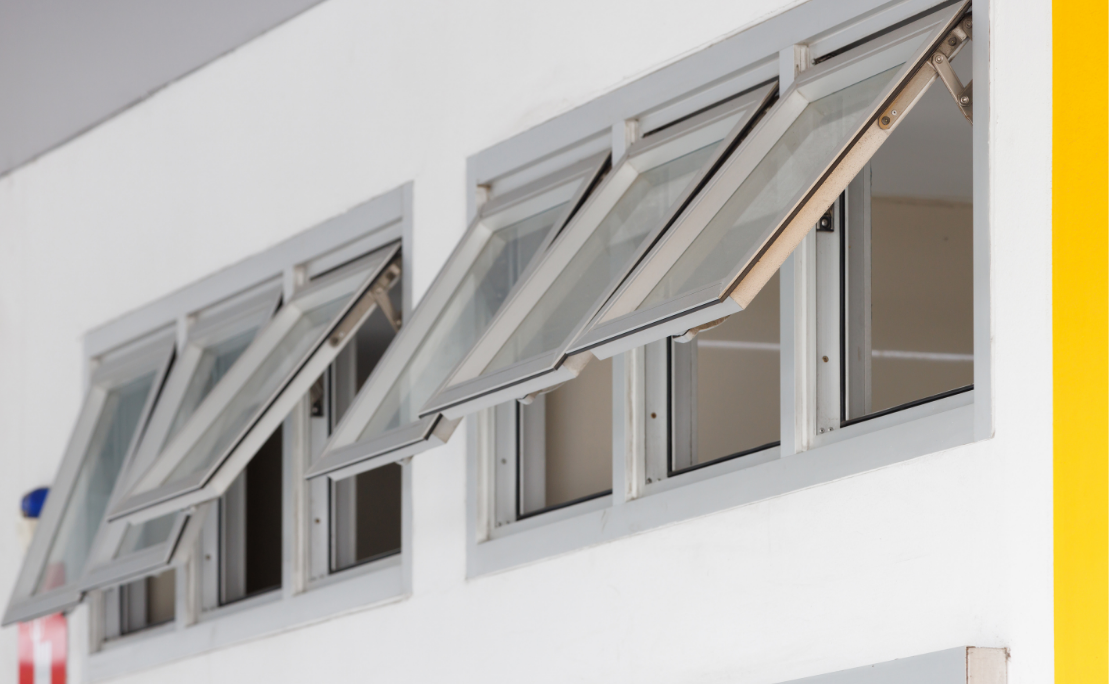
The height and size of windows significantly affect ventilation. Taller windows allow warm air to escape from the top while letting cooler air flow in from lower openings. Large windows increase the volume of air exchange, improving circulation. In contrast, small or low-positioned windows may restrict airflow, making rooms feel warmer or poorly ventilated even if the outdoor air is fresh.
3) Orientation To Wind & Sunlight
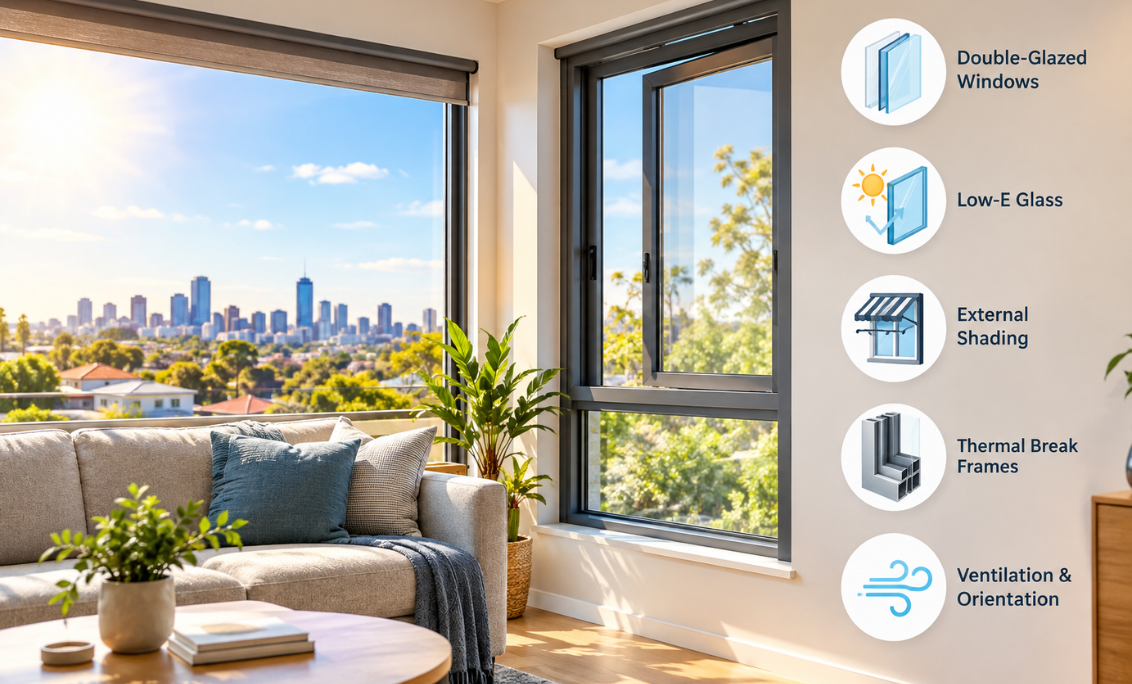
The direction a window faces plays a vital role in airflow and indoor climate. Windows positioned to face prevailing winds capture the maximum airflow, enhancing natural ventilation. Similarly, north- or south-facing windows can control sunlight exposure, preventing overheating while still allowing fresh air. Improper orientation can trap heat, reduce airflow, and make rooms uncomfortable in both summer and winter months.
4) Avoiding Obstructions
Windows are most effective when nothing blocks the incoming or outgoing air. Large furniture, heavy curtains, or external obstructions like walls or dense landscaping can limit natural airflow. Ensuring clear pathways for air to move freely allows rooms to remain well-ventilated and helps maintain a healthier indoor environment.
5) Combining Windows With Doors & Other Openings
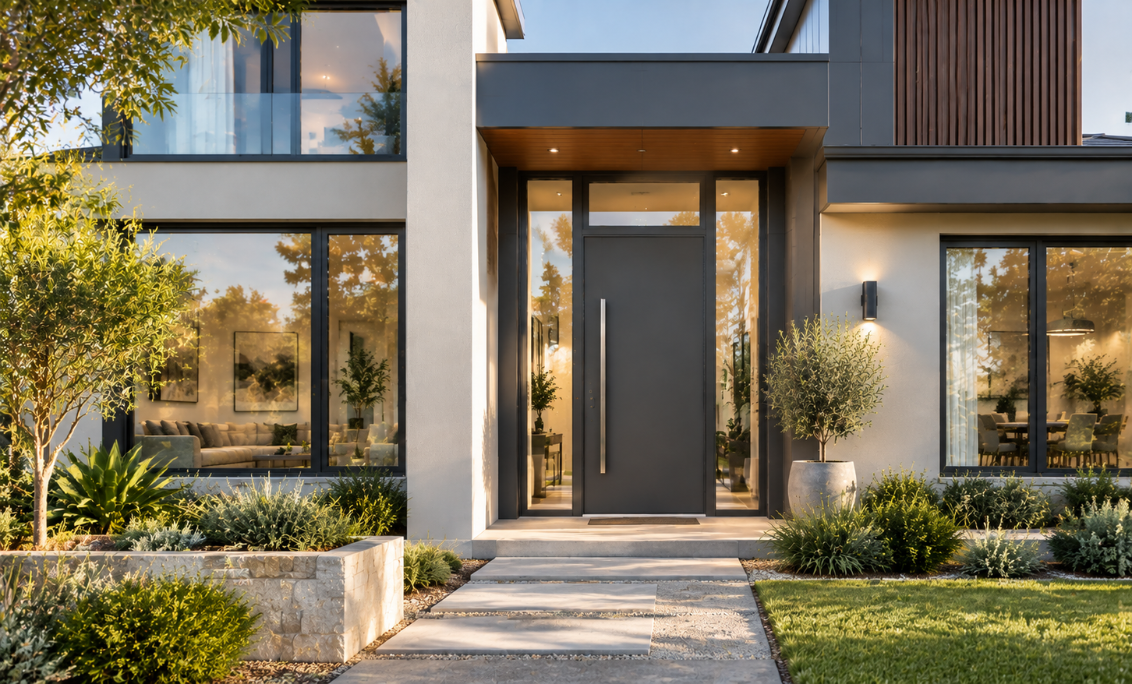
Windows work best in combination with doors, vents, or skylights. Strategic placement of multiple openings allows air to circulate efficiently throughout the home. For example, opening a window near a doorway can create a steady stream of air, enhancing comfort and reducing humidity. Thoughtful design ensures that ventilation reaches every corner of your home, not just the areas near the windows.
Wrapping It Up!
Window placement is more than an aesthetic choice, it directly impacts airflow, ventilation, and overall indoor comfort. By considering cross-ventilation, window size, orientation, obstruction-free paths, and integration with other openings, homeowners can maximize fresh air and natural cooling. If you are looking for the best quality windows and doors in Adelaide, you must check out First Point Windows & Doors!