Windows do much more than bring sunlight and fresh air into a home. They also contribute to its appearance, insulation, security and overall comfort. But have you ever noticed how some homes feature sleek aluminium frames while others have classic wooden windows? The difference often comes down to the materials used during manufacturing.
Each material has its own benefits, maintenance needs and appearance. A reliable residential windows manufacturer in Adelaide considers these factors when creating windows that suit different homes, weather conditions and everyday requirements.
1) Aluminium For Strength And A Modern Finish
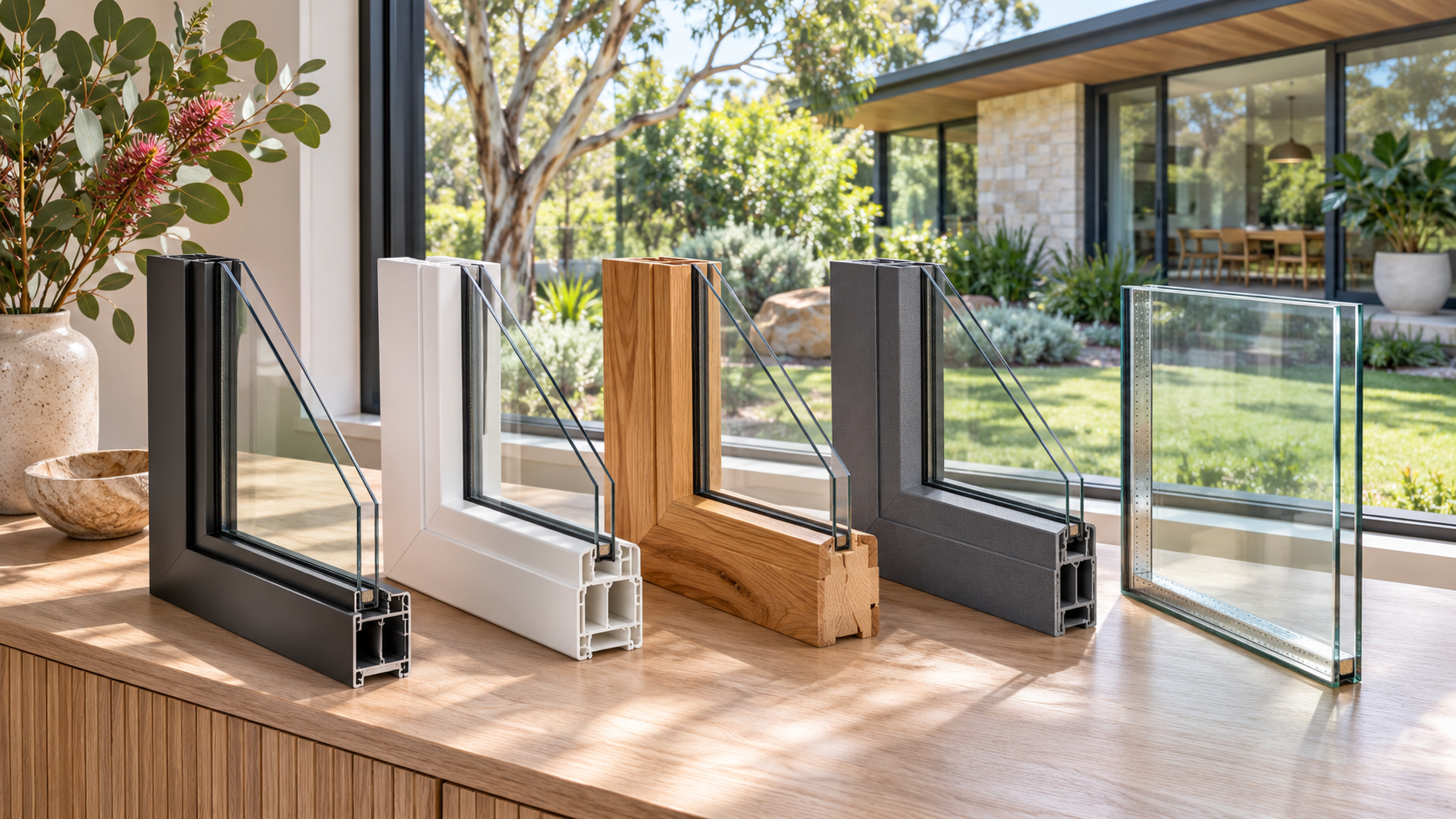
Aluminium is a popular choice for residential windows because it is lightweight, strong and corrosion-resistant when properly finished. Its strength allows manufacturers to create slim frames that accommodate larger glass panels, bringing more natural light into living spaces. Aluminium windows also require relatively little maintenance and are available in different colours and finishes. However, aluminium conducts heat easily, so thermally broken frames can help improve insulation and indoor comfort.
2) uPVC For Insulation And Easy Maintenance
uPVC, also known as unplasticised polyvinyl chloride, is widely used in residential window manufacturing. It offers good thermal and sound insulation because the material does not conduct heat as readily as aluminium. These frames are also resistant to moisture, rot and corrosion, making them suitable for different weather conditions. Another advantage is their low maintenance requirement. Regular cleaning with mild soap and water is generally enough to keep uPVC windows looking neat.
3) Timber For A Natural And Classic Appearance
Timber windows bring warmth and natural character to residential spaces. They are often found in traditional homes, heritage properties and designs that favour natural materials. Wood also provides good natural insulation, helping maintain comfortable indoor temperatures. However, timber needs regular care to protect it from moisture, termites and weather-related damage. Painting, staining and sealing can help extend the frames’ lifespan while keeping them in good condition.
4) Fibreglass For Durability And Stability
Fibreglass is another material used to manufacture residential window frames. Made from glass fibres combined with resin, it offers strength and dimensional stability across a range of temperatures. Unlike some materials, fibreglass expands and contracts relatively little with temperature changes, helping frames maintain their shape. It also provides good thermal insulation and requires limited maintenance. These qualities make it a practical option for homeowners looking for durable windows with long-term performance.
5) Glass For Light, Safety And Energy Efficiency
The frame is only one part of a residential window; the glass matters just as much. Standard float glass, toughened safety glass, laminated glass and double-glazed units serve different purposes. Double glazing uses two glass panes separated by an insulating gap to reduce heat transfer and outside noise. Laminated glass contains an interlayer that holds fragments together if the glass breaks, while toughened glass is designed to break into smaller, less sharp pieces.
In Conclusion
Residential windows come in different materials, each offering specific advantages for appearance, durability, insulation and maintenance. Aluminium, uPVC, timber, fibreglass and different types of glass give homeowners plenty of options for their properties. The right combination depends on the home’s design, local climate and performance requirements. A trusted residential windows manufacturer in Adelaide can help homeowners compare these materials and find window solutions that offer lasting comfort, functionality and visual appeal.
Looking for Windows and Doors Built to Last? Talk to the Experts at FirstPoint Windows & Doors Today!